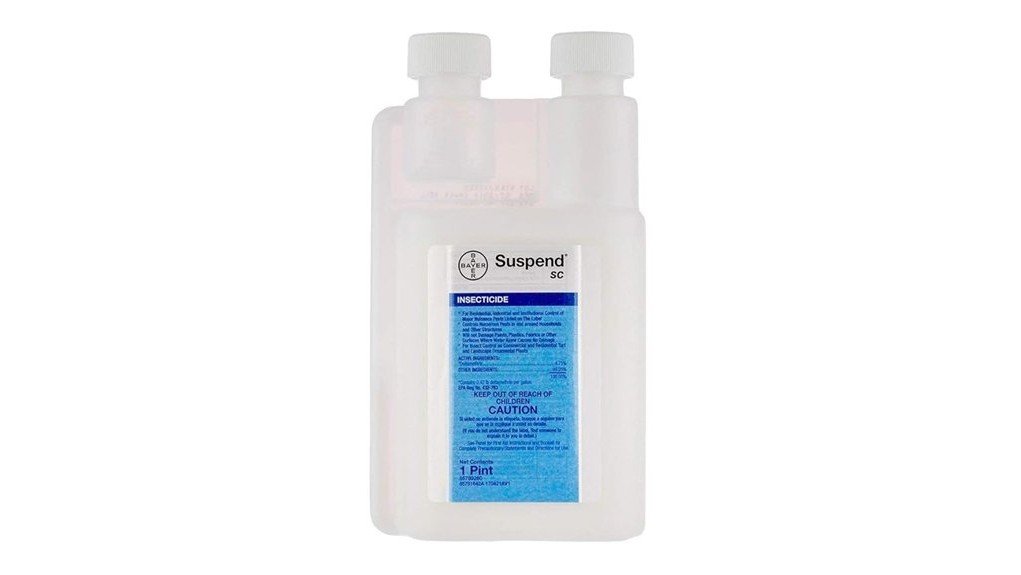
You’ll get rapid knockdown and long residual control of ants, cockroaches, spiders, and stored‑product pests when you apply Bayer 4031982B Suspend SC 16oz at label rates with a low‑pressure sprayer. It works at low application rates, leaves no odor or visible residue, and sticks across porous and nonporous surfaces listed on the label. Follow label precautions, PPE, and isolation of treated areas to protect people and pets. Continue for detailed use, safety, and purchasing guidance.
Some Key Takeaways
- Suspend SC (Bayer 4031982B) is a pyrethroid concentrate offering rapid knockdown and long residual control against ants, roaches, spiders, and stored‑product pests.
- The 16 oz size is suitable for professional and serious DIY use, requiring calibrated sprayers and careful dose measurement per label.
- It leaves no odor or visible residue and performs consistently on labeled porous and nonporous surfaces.
- Users must follow label precautions: PPE, ventilated application, isolate treated mattresses/food areas, and observe reentry intervals.
- Limitations include potential cross‑resistance with other pyrethroids; integrate with nonchemical methods and rotate chemistries.
Performance Summary: How Bayer 4031982B Suspend SC 16oz Performs on Common Pests
Expect rapid, reliable control across a wide range of household pests with Bayer 4031982B Suspend SC 16oz. You’ll notice rapid knockdown against ants, cockroaches, spiders, and stored‑product pests at low application rates. The advanced pyrethroid formulation delivers broad species efficacy—over fifty nuisance targets—while maintaining long residual activity and no odor or visible residue. You’ll rely on consistent performance on porous and nonporous substrates listed on the label. Results scale predictably: initial mortality is fast, residual suppression persists. You’ll join other users who prefer a precise, efficient product that integrates into professional and home pest‑management routines. It is a fitting choice for homeowners focused on lawn and landscape care who want to protect their lawn while managing pests.
Where and How to Use It Safely: Approved Application Sites and Practical Tips
When applying Bayer 4031982B Suspend SC, follow label directions precisely and limit treatments to approved sites—mattresses, box springs, carpet, upholstery and listed food‑service areas—using equipment and rates that guarantee even coverage without saturation. You’ll inspect surfaces for damage, remove bedding or food-contact items, and isolate treated zones to reduce pet exposure and maintain mattress safety. Store product in locked, dry locations with childproof storage practices. Use ventilated schedules and monitor ventilation needs during and after application. Communicate procedures to household or staff members so everyone feels included and complies with reentry intervals and surface‑use restrictions. Keep pesticides in locked storage away from children and pets.
Dosage, Mixing, and Application Steps for Best Results
Now that you’ve prepared the site and isolated non‑target items, focus on accurate dosage, proper mixing, and methodical application to achieve labeled efficacy. Measure dose per label for target pest and site; use calibrated syringes or measuring cups. Combine Suspend SC in clean water, following prescribed mix ratios; add concentrate to water while agitating to guarantee suspension. Choose compatible application equipment—low‑pressure hand sprayer or compression sprayer with calibrated nozzle—for even coverage and controlled droplet size. Maintain agitation during use, record batch mixes, and avoid exceeding label rates. Rinse equipment after use and dispose of rinsate per label to protect your community. Wear appropriate personal protective equipment when mixing and applying lawn chemicals to reduce exposure risk.
Pros and Cons Compared to Other Pyrethroid Sprays and Alternative Treatments
Although Suspend SC shares the pyrethroid class’s fast knockdown and broad-spectrum control, it distinguishes itself by delivering long residual activity at lower labeled concentrations and producing no odor or visible residue, which can improve user acceptance in sensitive indoor sites. You’ll find pros: efficacy against >50 pests, label flexibility for sensitive substrates, and formulation suited to integrated resistance management when rotated appropriately. Cons: as a pyrethroid it risks cross-resistance with other pyrethroids and offers chemical rather than nonchemical control. Consider environmental impact relative to nonchemical alternatives; combine tactics (physical removal, heat, traps) to reduce reliance and preserve efficacy. This review is aimed at homeowners and lawn care enthusiasts who prioritize chemical-resistant gloves and safe handling practices when applying pesticides.
Buying Guide and Final Verdict: Who Should Buy It and Where to Get It
Having weighed efficacy, residue profile, and resistance considerations against nonchemical options, you can narrow purchase decisions to who benefits most from Suspend SC and where to source it. You should buy if you need broad-spectrum, low-dose control with long residuals in sensitive interiors—inspections confirm infestations and label sites match (mattresses, upholstery, food-service edges). Choose professional suppliers if you require bulk access, technical data sheets, and compliance documentation; use reputable online retailers for single-unit convenience and verified reviews. Follow label directions, PPE, and integrated pest management. Join peer networks to share application experiences and supplier recommendations. Consider dedicated chemical storage solutions when keeping pesticides at home to ensure safety, compliance, and proper segregation from household items.
Some Questions Answered
Is It Pet-Safe Once Dried on Treated Surfaces?
Yes — once fully dried and label re entry intervals are observed, you can consider treated surfaces lower risk to pets. You’ll still monitor for residue toxicity concerns: dried pyrethroid residues have reduced bioavailability but can irritate sensitive animals or be ingested from grooming. You’ll follow label pet re entry times, ventilate treated areas, and keep pets off surfaces until dry. If you’re unsure, consult your veterinarian for vulnerable pets.
Can It Be Used Outdoors for Perimeter Treatments?
Yes — you can use it outdoors for perimeter treatments when following label directions. You’ll create effective perimeter barriers along landscape edges and foundation lines, applying low concentrations for broad-spectrum control. You’ll guarantee targeted coverage, avoid runoff, and respect setbacks near water. You’re included in a community of responsible applicators when you confirm label rates, personal protective equipment, and reapplication intervals to maintain safe, long-lasting control.
What Is the Product’s Shelf Life Unopened?
Unopened product shelf life is typically 2–3 years; check the label or manufacturer for exact duration. You should store at recommended storage temperature (usually cool, dry, above freezing). Expiry indicators include a printed manufacture or expiry date and changes in suspension homogeneity or color. Keep community-use supplies together, rotate stock by date, and contact manufacturer if dates are absent or product shows physical change before the printed expiry.
Is a Respirator Required During Application?
No, you don’t always need a respirator for application, but you should follow label directions and risk assessment. Use respiratory protection if label or job-specific evaluation indicates inhalation risk, extended application duration, or aerosolizing methods. Wear appropriate PPE when handling concentrated SCs, and guarantee ventilation. You’ll document exposure controls, monitor conditions, and choose an approved respirator when required to protect yourself and your team.
Does It Stain or Discolor Fabric Materials?
No, it typically won’t stain or bleach fabrics when used per label directions; you won’t see fabric bleaching or color transfer under normal application. You should test a hidden area first, because fabrics and dyes vary. Use recommended dilution, avoid over‑wetting, and allow complete drying. If you follow label instructions, you’ll maintain fabric integrity and color consistency while protecting shared spaces responsibly.