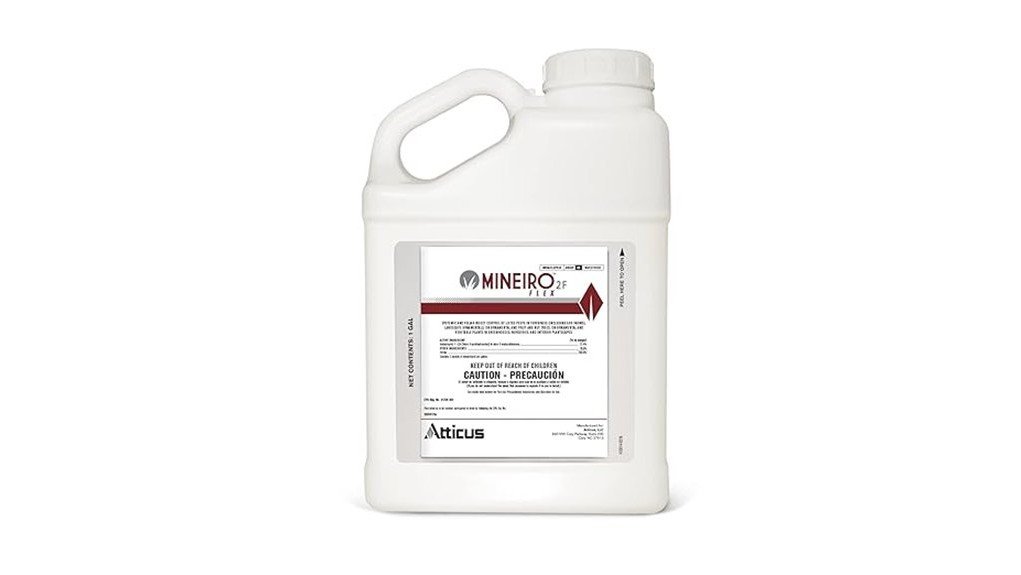
Atticus Mineiro 2F Flex is a concentrated 21.4% imidacloprid systemic insecticide you’ll use for preventive control of grubs, mole crickets, billbugs, emerald ash borer, and sap‑sucking pests on turf and ornamentals. It gives residual root and foliar uptake when applied per label, best mid‑June to late‑July for grubs, and requires calibration, moisture management, and PPE. Observe state restrictions, pollinator and aquatic safeguards, and rotate modes of action—read on for application specifics and safety details.
Some Key Takeaways
- One-gallon 21.4% imidacloprid systemic insecticide offers preventive control for grubs, mole crickets, billbugs, and sap-feeding pests.
- Best applied mid‑June to late‑July for grub hatch, with soil moisture and proper calibration to ensure root uptake.
- Effective residual control when used per label; rotate modes of action to reduce resistance risk.
- Requires strict adherence to EPA label, PPE, pollinator and aquatic protections, and state registration restrictions.
- Cost‑effective per acre in bulk, but involves larger upfront cost, handling hazards, and disposal responsibilities.
What Atticus Mineiro 2F Flex Contains and Who Should Use It
Composition: Atticus Mineiro 2F Flex is a liquid systemic insecticide containing 21.4% imidacloprid in a 1‑gallon (128 fl oz) formulation. You’ll find one gallon of Mineiro 2F Flex; the active ingredient, imidacloprid, provides systemic uptake for root and foliar feeding insects. The label specifies preventive grub control plus mole crickets, billbugs, beetles, emerald ash borers, and aphids in lawns, trees, shrubs, and play areas. Your target audience includes turf managers, arborists, and community-minded homeowners seeking consistent residual protection. You’ll follow EPA-registered directions and state restrictions; read the label to confirm approved uses and timing. This product is intended for homeowners and professionals maintaining turf and landscapes who want reliable residual protection.
How Well It Controls Grubs, Beetles, Aphids, and Other Pests
When applied per label, Mineiro 2F Flex delivers preventive, systemic control of soil- and foliar-feeding pests—its 21.4% imidacloprid provides residual activity that targets grubs during the mid-June to late-July hatch window and suppresses feeding by mole crickets, billbugs, and Japanese beetle larvae. You’ll see high activity against root-feeders and consistent suppression of sap-sucking pests such as aphids and some foliage beetles when exposure is adequate. Data show effective residual control but you should rotate modes of action to limit resistance development. Monitor for non target effects and follow integrated pest management to protect beneficials. For homeowners maintaining turf and landscape, pairing grub control granules with targeted systemic treatments can improve grub control and overall lawn health.
When and How to Apply for Lawns, Trees, and Ornamentals
If you’re treating lawns, trees, or ornamentals with Mineiro 2F Flex, time applications to target pest biology and follow label rates precisely; for preventive grub control apply in the mid-June to late-July window when soil moisture promotes active larval hatching and root exposure, while foliar or systemic treatments for aphids and other sap feeders should be made at the first sign of infestation and repeated only per label intervals. You’ll favor early application when monitoring indicates emergence. Make certain thorough spray calibration, maintain adequate soil moisture to enhance root uptake, and use recommended carrier volumes and coverage for consistent, community-minded pest management. Mastering grub control techniques and proper application timing will help maintain a lush, healthy lawn and landscape, especially when integrating grub control practices.
Safety, State Restrictions, and Label Compliance You Must Know
Because Mineiro 2F Flex contains 21.4% imidacloprid, you must follow label-mandated PPE, application restrictions, and environmental safeguards to minimize human exposure and protect non-target organisms, particularly pollinators and aquatic life. You’ll document training, respiratory protection, gloves, and eye protection to meet worker safety requirements. Observe buffer zones, avoid drift, and prevent runoff; these reduce environmental impact and legal liability. Note state-specific prohibitions—several states restrict sale or use—so verify registration before purchase or application. Always keep the label accessible on site, follow reentry intervals, and report incidents per label and federal requirements to stay compliant and supported. Consider investing in essential safety gear such as chemical-resistant gloves, safety goggles, and respirators when mixing and applying lawn chemicals.
Cost, Sizing, and Practical Pros vs. Cons for Buying One Gallon
Value hinges on scale: buying a one-gallon jug of Mineiro 2F Flex gives you a concentrated, cost-effective option for treating large turf or multiple trees, since the 21.4% imidacloprid formulation dilutes to cover extensive acreage and reduces per-application product cost compared with multiple small bottles. You’ll benefit from bulk pricing and lower unit costs, but assess shipping costs for hazardous-liquids. One gallon demands responsible storage requirements—secure, ventilated, labeled area—matching label and local regulations. Pros: lower cost per acre, fewer containers, consistent dosing. Cons: larger upfront expense, handling risks, and increased container disposal responsibility for community-safe stewardship. Consider wearing chemical-resistant gloves when handling concentrated products and transferring them to smaller containers.
Some Questions Answered
Can This Product Be Mixed With Other Lawn Pesticides or Fertilizers?
Yes — you can tank mix Mineiro 2F with some fertilizers or pesticides, but you’ll check product compatibility first and follow label directions. Conduct small jar tests and review physical compatibility, pH, and additive order. Avoid unknown combinations and state-restricted registrations. If you’re unsure, consult the label or manufacturer tech support for compatibility data; that keeps your application effective, safe, and aligned with integrated pest management practices.
How Long Before Rain Is It Effective After Application?
You should allow at least 24 hours before rain; uptake timing into soil and roots typically secures product effectiveness after that rain delay. Imidacloprid moves into the root zone with soil moisture, so heavy rain immediately after application can cause some wash-off, but within 24 hours it’s largely incorporated. Follow label directions and adjust timing for sandy soils or extreme precipitation to protect efficacy and community plant health.
Is This Safe to Use Around Pets and How Long to Keep off Treated Areas?
You can use it around pets if you follow label directions; avoid direct contact and limit indoor exposure until surfaces are dry. Imidacloprid is systemic, so treated turf and plants pose low secondary risk once absorbed, but keep pets off treated areas until spray has fully dried (typically 2–4 hours) and for any re-entry interval specified on the label. Wash pet fur or paws if they contact wet product to reduce exposure.
Does Imidacloprid Affect Pollinators Like Bees if Applied to Flowering Plants?
Yes — imidacloprid can harm bees and other pollinators if applied to flowering plants where nectar or pollen exposure occurs. For bee safety, avoid treating blooming plants and follow label restrictions to minimize pollinator impact; apply when bees aren’t foraging (dusk/dawn) and prefer soil or systemic root applications that reduce direct flower residues. You’ll reduce risk by using targeted timing, lower rates, and integrating non-chemical controls.
Are There Special Storage or Disposal Instructions for Leftover Liquid?
Yes. You should store leftover liquid in its original, labeled container, tightly closed, away from children, pets, and food; maintain a stable storage temperature between 40–90°F and avoid freezing or heat exposure. For proper disposal, follow the product label and local hazardous-waste rules: never pour down drains or discard in regular trash. Contact your local waste authority or pesticide collection program for evidence-based, community-approved disposal options.